Letting a farmer use your meadow: when is it an agricultural tenancy?


A country house or rural villa may come with a separate meadow. A neighbouring farmer may ask to cut the grass or graze animals there. The arrangement may seem informal, but its legal status affects the rights that remain if you later sell the property or want to use the land yourself. This article concerns land in Flanders.

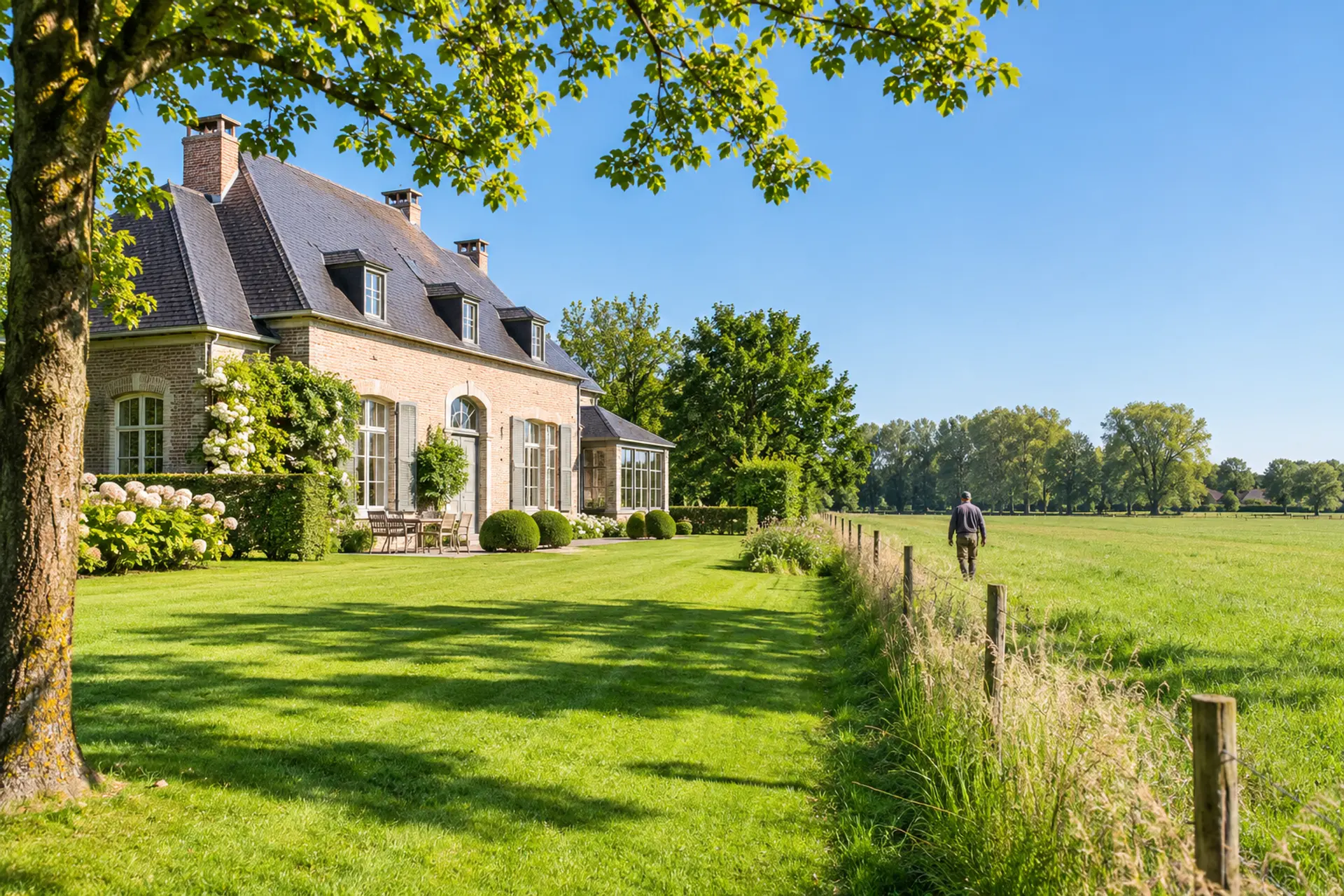
Illustrative country villa beside a separate green meadow under a sunny blue sky; not a property for sale.

What actually happens matters more than the document’s title


According to the Flemish Agency for Agriculture and Fisheries, an agricultural tenancy involves immovable property used as part of a farming business, reasonable payment and the owner’s agreement. The business must produce agricultural goods mainly for sale. Calling a document “temporary use” or “rental” does not change that assessment. Equally, an arrangement does not become an agricultural tenancy solely because a farmer is involved.


Record the facts first: who uses which plot, for what activity, what payment or other consideration is involved, and what the parties agreed in practice. Ask a notary or specialist lawyer to assess the specific arrangement before allowing use.

Cutting grass, grazing and keeping animals


If a farmer cuts the meadow as part of a farming business, the tenancy question is relevant. The nature of grazing and who actually operates the plot matter too. According to the Agency, merely keeping private horses or other animals is not in itself agricultural activity; an ordinary lease is generally appropriate for that situation.


A “seasonal” agreement does not automatically avoid agricultural tenancy rules. Official Flemish guidance distinguishes a seasonal tenancy, which may fall under the decree, from a specific cultivation contract between farmers. A private owner of a country house should not assume that this latter arrangement provides a short-term solution.


A one-year agreement does not guarantee that the land is free to use


An ordinary Flemish agricultural tenancy generally has a minimum term of nine years; a shorter agreed term is increased to nine years by law. Special forms have their own conditions, but even the so-called short agricultural tenancy lasts nine years. A tenancy must be recorded in writing and include a condition report. Without a written agreement, its existence may still be proved by other means. An oral arrangement therefore offers little certainty for an owner.

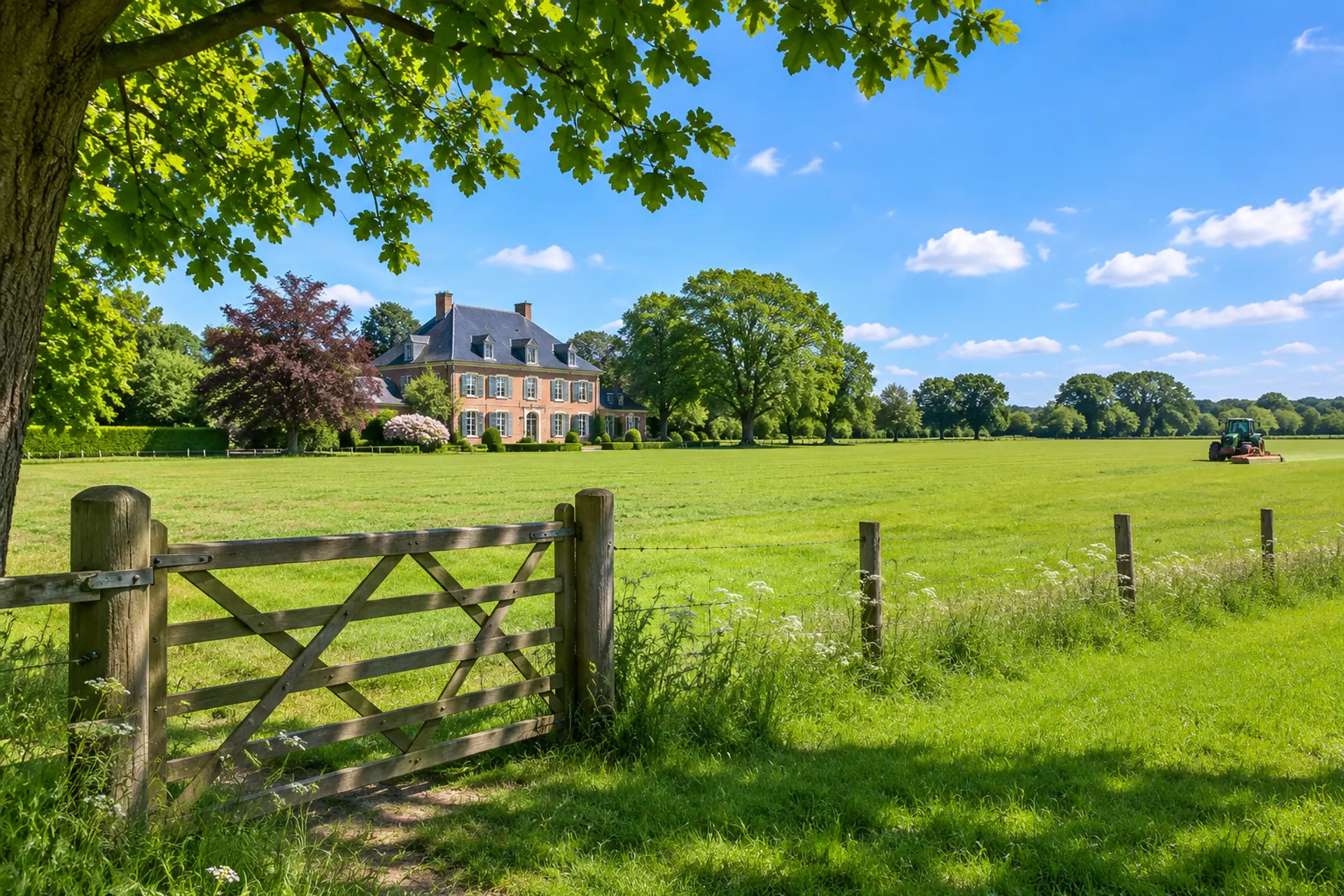
Illustrative separate meadow with a gate and a country house in the distance on a sunny day; not a property for sale.
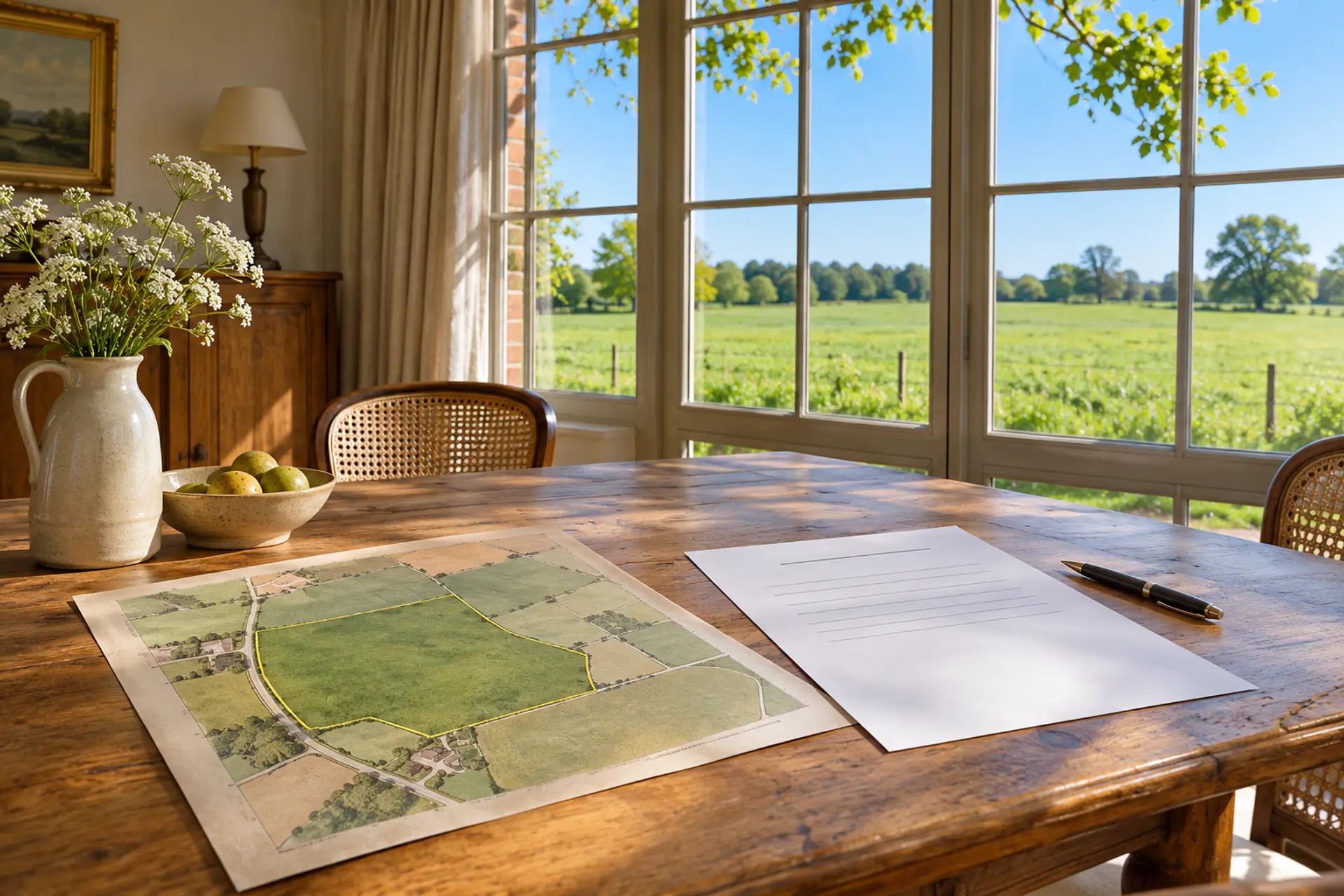
Illustrative cadastral plot plan and unsigned meadow-use agreement on a table in a country house; not a property for sale.

Selling the home and meadow


You can sell a meadow subject to an agricultural tenancy, but a sale does not automatically end that tenancy. The tenant may have a statutory right of first refusal under the relevant conditions. Termination for a sale is possible only when specific legal requirements are met. Ask the notary to check the agreement, actual user, any pre-emption rights and the rights a buyer will acquire for each plot.


Distinguish the home, garden and separate meadow in the plot list. Include the agreement and available evidence in the rural property sale file. This lets you present the land accurately without promising vacant use that has not been established.

Five questions before you allow use of the meadow


1. Which cadastral plot, or which part of it, is involved?

2. Who actually uses the land, and for what agricultural or private purpose?

3. What payment, access and maintenance have been agreed?

4. Which duration and statutory termination rules could apply?

5. How will you document the arrangement for a future sale?


Landelijk Vastgoed can present the home and land accurately in a sale file. A notary or specialist lawyer should determine the legal status of any existing or proposed use agreement.


Official sources (checked 23 November 2026, pages in Dutch): Flemish Agency for Agriculture and Fisheries — agricultural tenancy FAQ; Flemish Codex — Agricultural Tenancy Decree of 13 October 2023.


About this advice · General information for land in Flanders. The contract, actual use, history and any exceptions determine the legal position. Ask your notary or a specialist lawyer to review your case before allowing use or selling.


← Back to property advice