Homes outside residential zoning: what can you do with a country house?

A country house among the fields can be a remarkable place to live. The land designation, permits and existing residential use determine what work may remain possible. These are the questions to resolve before an offer or sale.
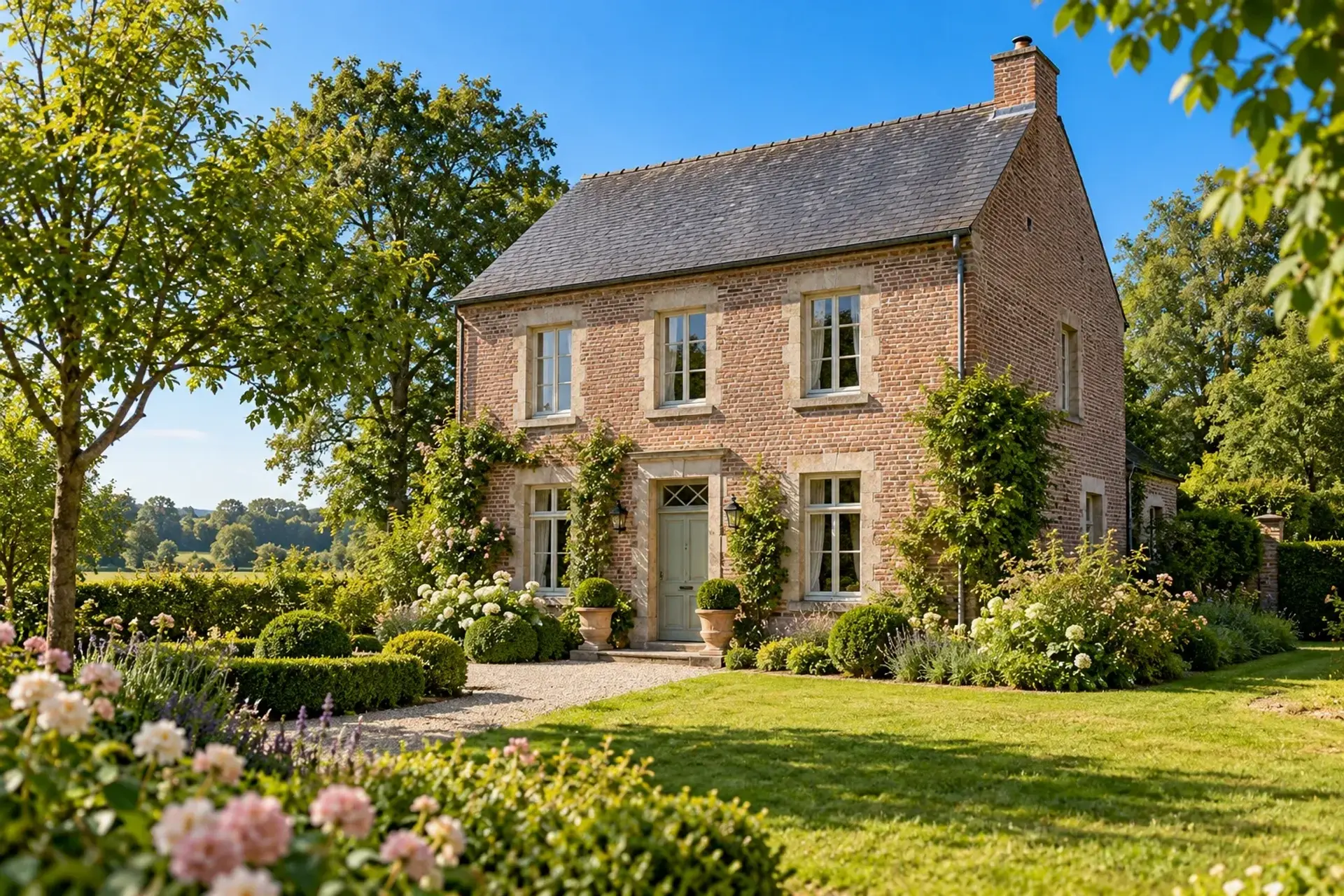
Illustratief bescheiden landhuis in een groene tuin; geen aangeboden eigendom

“Outside zoning” concerns the land designation

In Flanders, a zonevreemde home stands in an area where housing is not the principal designated use. That does not automatically make the house unlawful. Flemish basic rights apply to a building that is substantially permitted and not derelict. Check the permitted residential use too: for a former farmworker’s home, a missing change-of-use permit can be decisive.

Alteration, rebuilding and extension need different checks

The Flemish Spatial Planning Code provides conditional possibilities to alter, rebuild or extend an existing home outside residential zoning. For alterations, the zoning rule alone is generally not a ground for refusal if the number of dwellings remains the same. Sound spatial planning and other provisions still apply. Extension is subject, among other things, to a 1,000 m³ building-volume limit, with exceptions in certain sensitive or recreational areas. Discuss the actual design with an architect and the municipality.

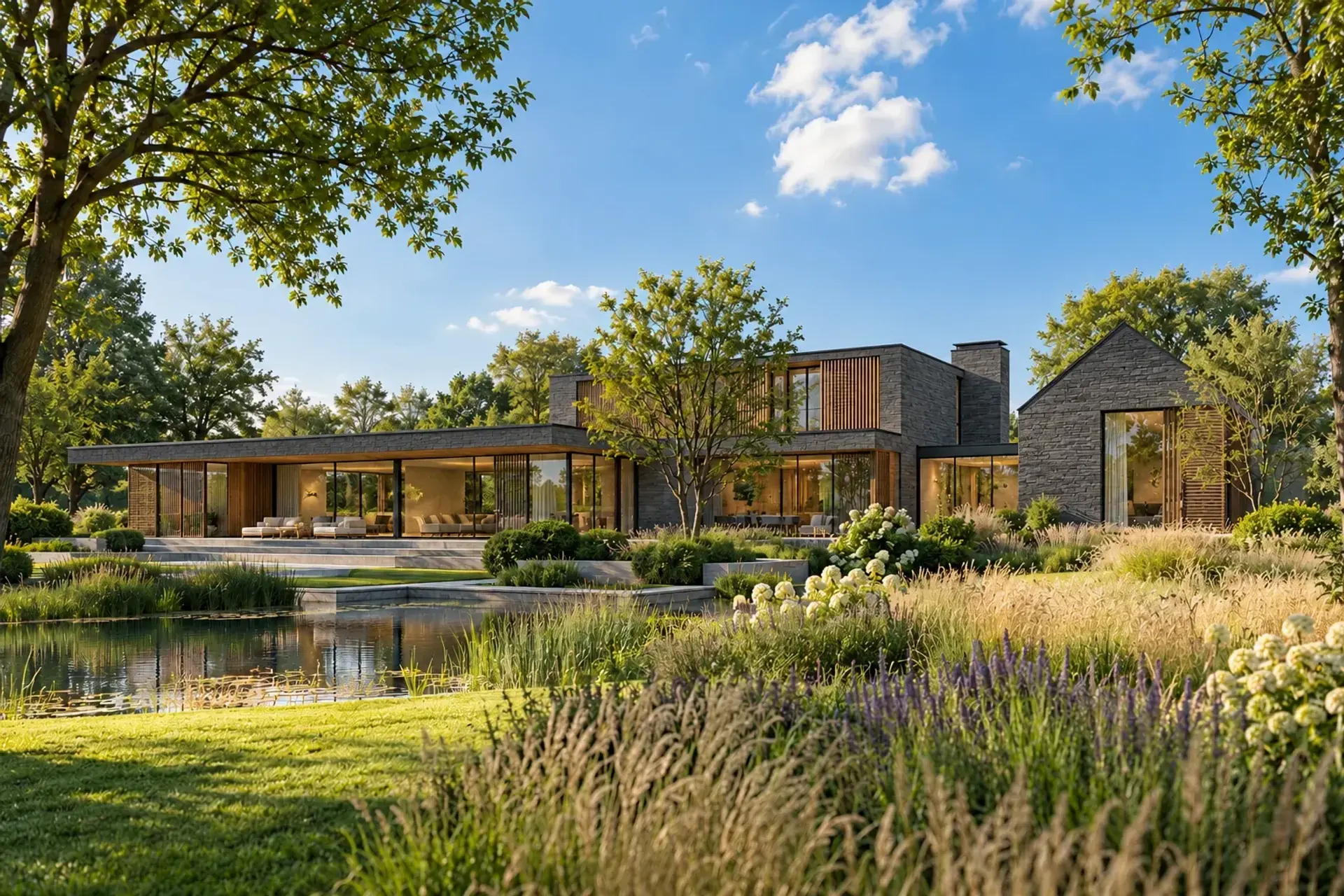
Illustratieve moderne villa in donkere steen, omgeven door groen; geen aangeboden eigendom
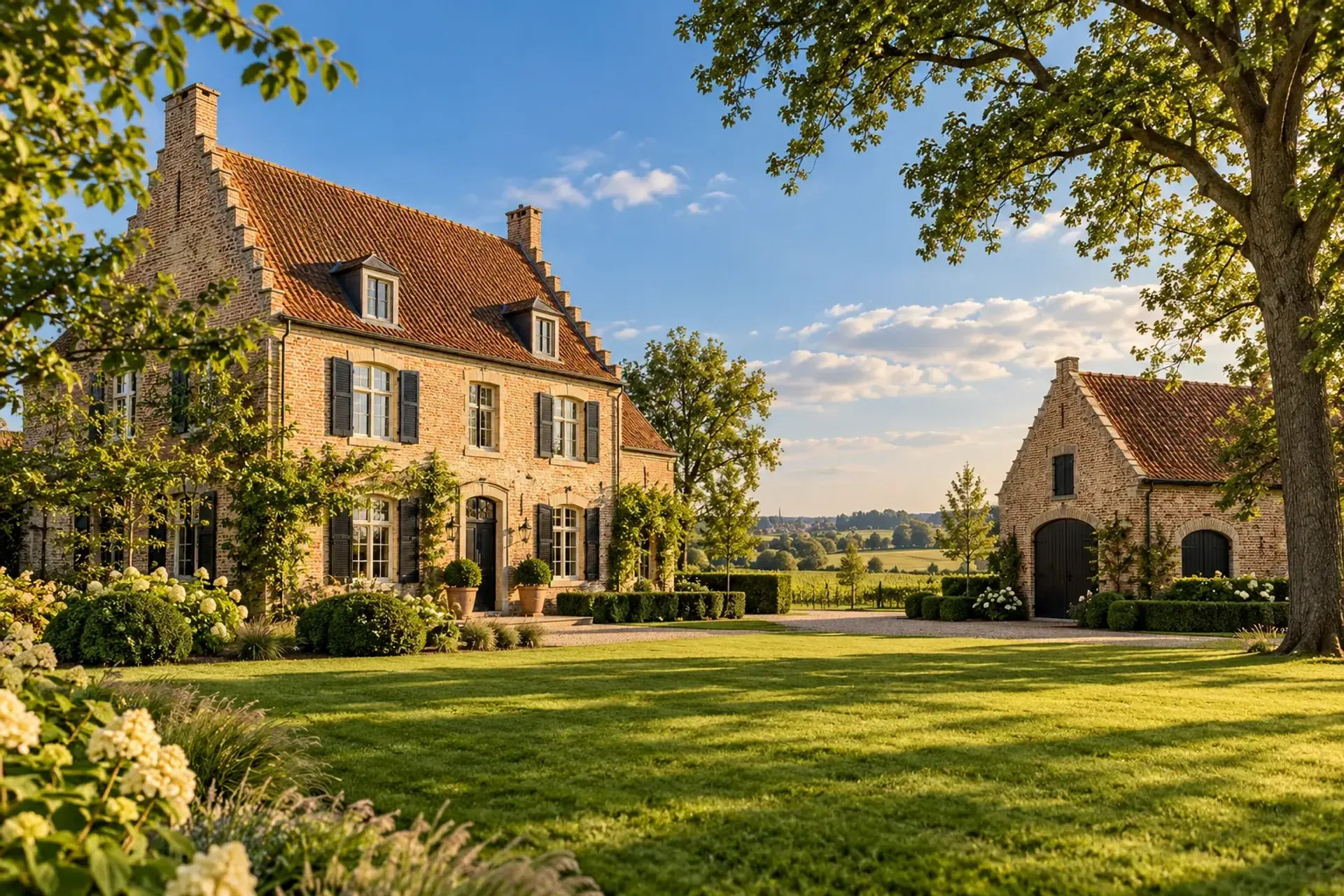
Illustratieve Vlaamse villa met bijgebouw; geen aangeboden eigendom

Check outbuildings and earlier work too

A guest house, stable, pool house or other outbuilding does not automatically enjoy the same rights as the home. Obtain permits, current uses and plans for each relevant structure. Compare them with the physical property and discuss unresolved points with the municipality and notary. Unauthorised work may affect a later owner too. Make uncertainty clear before an offer or sale agreement.

Where should you start?

Start with the designated use of the home, garden and outbuildings; establish whether the building and residential function are substantially permitted or deemed permitted; then have proposed work and new uses assessed.


Official sources: Flemish Spatial Planning Code, arts 4.4.10–4.4.15; Department of Environment Q&A; pre-purchase checklist.

About this advice · These articles provide general information as at their stated editorial dates. Rules and rates can change. Ask the competent authority and, where appropriate, your notary, architect or specialist to confirm the position for your property or purchase.